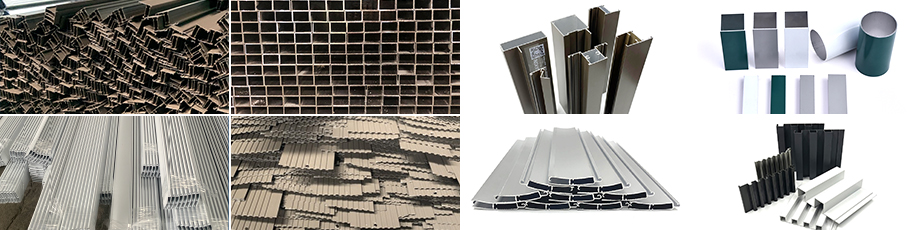
You’ve done the right thing—picked a decent wall thickness. But here’s the thing nobody tells you: how the slats actually fit together matters just as much, if not more.
You can have the “perfect” thickness, but if the interlock design is bad? You’ll still run into trouble. Noisy operation, binding, uneven rolling, and it’ll wear out way sooner than it should.
Let’s walk through what you actually need to know about profile design and interlock quality.
So, What Is Interlock Anyway?
It’s that curved, hook-like part at the top and bottom of each slat. That’s what connects one slat to the next. Simple, right? But the difference between a good one and a bad one is night and day.
Here’s a quick comparison:
✅ Good interlock → smooth rolling, quiet, even curtain, lasts for years
❌ Poor interlock → binding, rattling, gaps, misalignment, premature wear and tear
4 Telltale Signs of Bad Interlock Design
Too loose
The slats shift sideways when rolling up. The curtain wanders and won’t stay centered in the guides. Annoying.
Too tight
Slats feel like they don’t want to let go when unrolling. Door jams, or you have to really muscle it. That’s not normal.
Inconsistent curve
The radius changes along the length. One section binds, another is loose. Feels sloppy and frustrating.
Sharp edges
Burrs or rough spots on the hook. Scratches the next slat and makes that awful grinding noise. Big red flag.
A Simple Way to Check Interlock Quality Yourself
Grab two sample slats. Hook them together. Then rotate them like they would during rolling. Pay attention to how it feels.
Smooth? No catching or grinding? That’s good.
Lots of side-to-side wiggle? Minimal play? Ideally, you want almost none—like 0.5 to 1mm max.
Here’s a quick cheat sheet:
| Test | Pass | Fail |
| Rotation | Smooth, no binding | Catches or sticks |
| Side play | Minimal (0.5–1.0mm) | Wobbles too much |
| Separation | Snug but releases cleanly | Too tight, or falls apart too easily |
How Profile Design Affects Strength (Yes, It Does More Than Just Connect)
Good interlock isn’t just about keeping slats together. It actually adds to the curtain’s overall strength.
Here’s what to look for:
Deep interlock hook → better engagement, harder to pull apart
Reinforced curve → keeps its shape under load
Tight radius tolerance → consistent operation across the full width
And here’s a little secret: wall thickness and profile design work hand in hand. A thin slat with excellent interlock can easily outperform a thick slat with bad design. Don’t just assume thicker is better.